



Abolir ICE: Hacia una política de movilidad digna y humana
Abolir ICE: Hacia una política de movilidad digna y humana
Escrito por Stephanie Manriquez, Rosi Carrasco y Katalyn Solís.
El llamado a abolir ICE o Abolish ICE fue uno de los nombres ganadores de un remolcador de nieve de la ciudad de Chicago, anunciado el 23 de febrero del 2026. Abolish ICE hace referencia a la demanda de abolir el Servicio de Inmigración y Control de Aduanas (U.S. Immigration and Customs Enforcement), agencia federal asociada con prácticas de detención, deportación y separación familiar que han marcado profundamente a comunidades inmigrantes en Estados Unidos.
En ciudades como Chicago, donde existen amplias poblaciones inmigrantes y una fuerte tradición de organización comunitaria, esta consigna es el resultado de años de experiencia directa, resistencia y solidaridad, reflejando una conciencia colectiva e insertando esa demanda en la vida cotidiana de la ciudad.
En su libro Raza Sí, Migra No, el historiador chicano Jimmy Patiño explica cómo, desde la Conferencia Nacional de Inmigración Chicana de 1980 en San Diego organizada por el Comité de Derechos Chicanos (CCR), sectores del movimiento migrante y chicano llegaron a la conclusión de que, tras años de abusos documentados por parte del Servicio de Inmigración y Naturalización y la Patrulla Fronteriza, el sistema migratorio no debía reformarse, sino abolirse. La abolición aparecía como una forma de imaginar políticas públicas más humanas y pensar el mundo desde la dignidad y no desde el castigo.
Hoy en día, algunes oficiales electes también cuestionan el papel de las agencias federales de inmigración y seguridad. La congresista de Illinois Delia Ramirez, integrante del Comité de Inmigración de la Cámara de Representantes, ha denunciado las violaciones de derechos humanos y la expansión de políticas de persecución y deportación durante la administración Trump.
“Tenemos que usar todas las herramientas disponibles, incluyendo el poder del presupuesto, para poner fin a esta campaña de terror, porque nosotros creamos a ICE y tenemos la responsabilidad de decidir qué hacemos con ello”.

Históricamente, ICE surgió después del 11 de septiembre de 2001, reemplazando al Servicio de Inmigración y Naturalización (INS) bajo una nueva lógica de “seguridad interna”. A partir de entonces, la migración comenzó a tratarse cada vez más bajo una lógica de guerra y vigilancia, donde el migrante dejó de verse como parte natural de la vida humana y pasó a convertirse en sospecha y amenaza permanente.
Rey Wences, Director de Defensa contra las Deportaciones en la Coalición de Illinois por los Derechos de los Inmigrantes y Refugiados (ICIRR), y Antonio Gutiérrez, Coordinador de Estrategias de Comunidades Organizadas en contra de las Deportaciones (OCAD), son dos organizadores comunitarios e inmigrantes que han vivido la separación familiar y la violencia ejercida por el sistema migratorio.
Para elles, “la migra” nunca ha sido únicamente una agencia administrativa que se dedica a separar, detener y deportar familias inmigrantes, tratando de causar temor entre la comunidad a través de las redadas y de la criminalización de quienes cruzan fronteras para sobrevivir.
Rey explica: “Fue especialmente bajo la administración de Barack Obama cuando esa maquinaria se perfeccionó. Programas como Comunidades Seguras entregaron poder de enforzamiento migratorio a policías locales, equiparándolos con agentes federales. Se hablaba de ‘criminales’, siempre entre comillas, mientras se construía un sistema sin transparencia ni rendición de cuentas. Lo que se prometía como seguridad terminó produciendo espacios de violencia más profundos y más extendidos”.
Para muches organizadores, ese periodo dejó claro que el problema iba más allá de una sola agencia o política pública. “Cuando comenzamos a organizarnos en OCAD en 2012, la principal consigna era la reforma migratoria. Sin embargo, con el tiempo comprendimos que el sistema criminal y el sistema migratorio estaban profundamente entrelazados. Las personas migrantes eran juzgadas no solo por cruzar una frontera, sino por existir dentro de un aparato racializado que convertía la pobreza y el color de piel en sospecha permanente”, recuerda Antonio.
Ambos coinciden en que Obama afinó la máquina de deportaciones: una estructura ya consolidada que Biden intentó maquillar y que luego quedó en manos de Trump.
Abolir ICE significa mucho más que cerrar una sola agencia. Para Antonio, “significa cuestionar todo un sistema donde las vidas migrantes se vuelven explotables y desechables al mismo tiempo”.
Frente a esta maquinaria también han nacido otras formas de organización. Durante operativos como Midway Blitz en Chicago y Operation Metro Surge en Minnesota, las comunidades inmigrantes construyeron: equipos de respuesta rápida, redes de acompañamiento, fondos comunitarios y brigadas legales. Espacios donde la seguridad dejó de significar vigilancia y comenzó a significar cuidado mutuo.
“Hoy seguimos lidiando con administraciones que mienten y expanden sus dispositivos de violencia. Pero también seguimos organizándonos”, añade Rey Wences. “El año pasado en Illinois, por ejemplo, se aprobó un memorándum que limita la presencia de agentes migratorios en espacios sensibles como escuelas, iglesias y hospitales. Son pequeñas grietas dentro del sistema, conquistas arrancadas por años de movilización colectiva”.
“No existe una sola manera de Abolish ICE” Antonio reflexiona sobre lo que puede significar abolir ICE y convertirse en un agente de cambio dentro de la comunidad: “unirte a equipos de respuesta rápida; preguntarle a tu vecina qué necesita; defender a quien tiene miedo; salir a las calles; organizarse políticamente; o elegir representantes que impulsen leyes de protección a nivel estatal”.
También implica entender que ninguna agencia es eterna y que ningún sistema permanece intacto para siempre. Ningún representante hará completamente nuestro trabajo. Ahí aparece también nuestra responsabilidad como seres políticos.
“Y quizá el desafío más importante sea imaginar algo nuevo: un sistema migratorio construido por personas directamente impactadas por estas políticas”, concluye Antonio.
Sistemas pensados desde las colectividades que conocen, en su vida cotidiana, lo que significa ser tratadas como “el otro”. Como señala Rey: “Y que además se entienda desde una dimensión internacional que no excluya, que parta de la humanización y la dignificación de las personas. Es decir, desde una concepción de movilidades humanas y dignas”.
Boletín Migrante es un programa de radio que analiza eventos que impactan a las comunidades migrantes, a través de entrevistas, diálogos y análisis, combatiendo el miedo y la desinformación. Esta es una iniciativa del Chicago Community and Workers’ Rights y Lumpen Radio.
Escucha el episodio completo de Boletin Migrante Episodio 25: Abolish Ice con Rey Wences y Antonio Gutiérrez
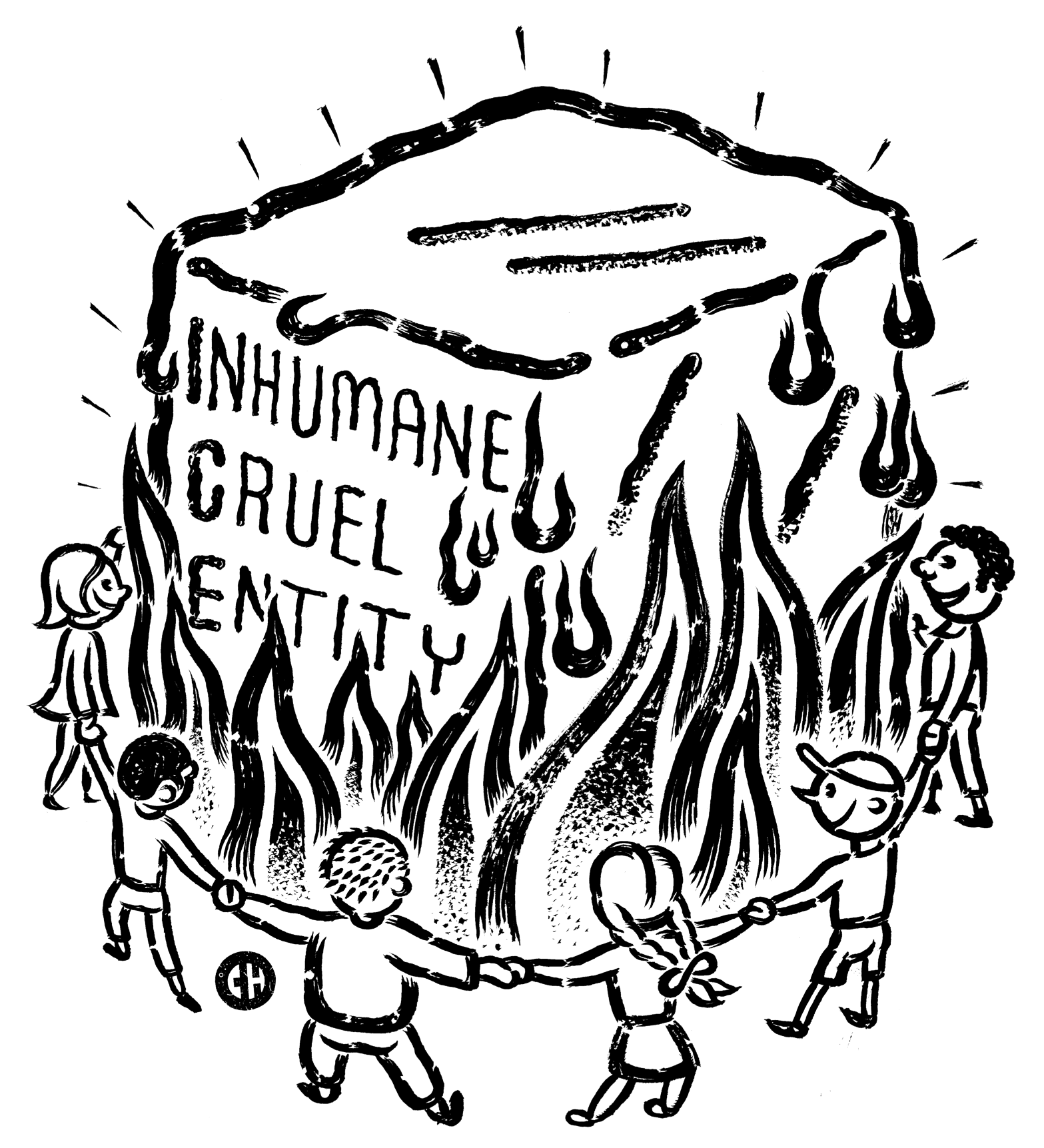
Abolish ICE
Toward a Politics of Humane and Dignified Mobility
Written by Stephanie Manriquez, Rosi Carrasco y Katalyn Solís.
The call to abolish ICE, or “Abolish ICE,” was one of the winning names chosen for a City of Chicago snowplow, announced on February 23, 2026. “Abolish ICE” refers to the demand to abolish the U.S. Immigration and Customs Enforcement agency, a federal institution conducting detention, deportation, and family separation practices that have abused immigrant communities across the United States.
In cities like Chicago, where there are large immigrant populations and a strong tradition of community organizing, this slogan is the result of years of direct experience, resistance, and solidarity. It reflects a collective consciousness and inserts that demand into the everyday life of the city.
In his book Raza Sí, Migra No, Chicano historian Jimmy Patiño explains how, beginning with the 1980 National Chicano Immigration Conference in San Diego organized by the Chicano Rights Committee (CCR), sectors of the migrant and Chicano movement concluded that after years of documented abuses by the Immigration and Naturalization Service (INS) and the Border Patrol, the immigration system should not be reformed, but abolished. Abolition emerged as a way to imagine more humane public policies and to think about the world from a place of dignity rather than punishment.
Today, some elected officials also question the role of federal immigration and security agencies. Illinois Congresswoman Delia Ramirez, a member of the House Immigration Committee, has denounced human rights violations and the expansion of persecution and deportation policies during the Trump administration.
“We have to use every tool available, including the power of the budget, to put an end to this campaign of terror, because we created ICE and we have the responsibility to decide what to do with it.”
Historically, ICE emerged after September 11, 2001, replacing the INS under a new “homeland security” logic. From that point on, migration increasingly came to be treated through a framework of war and surveillance, where migrants stopped being viewed as a natural part of human life and instead became permanent suspects and threats.
Rey Wences, Director of Deportation Defense at the Illinois Coalition for Immigrant and Refugee Rights (ICIRR), and Antonio Gutiérrez, Community Organizing Against Deportations (OCAD) Strategies Coordinator, are two immigrant community organizers who have personally experienced family separation and violence carried out by the immigration system.
For them, “la migra” has never simply been an administrative agency. It is an institution dedicated to separating, detaining, and deporting immigrant families while spreading fear through raids and the criminalization of people crossing borders in order to survive.
Rey explains: “It was especially under the Barack Obama administration that this machinery was perfected. Programs like Secure Communities handed immigration enforcement power to local police, essentially equating them with federal agents. They spoke of ‘criminals,’ always in quotation marks, while building a system with no transparency or accountability. What was promised as security ended up producing deeper and more widespread forms of violence.”
For many organizers, the Obama period made it clear that the problem extended far beyond a single agency or public policy.
“When we began organizing with OCAD in 2012, the main demand was immigration reform. But over time we came to understand that the criminal legal system and the immigration system were deeply intertwined. Migrants were judged not only for crossing a border, but for existing within a racialized system that turned poverty and skin color into permanent suspicion,” Antonio recalls.
Both agree that the Obama administration refined the deportation machine: a structure already firmly in place that Biden attempted to cosmetically soften before it was later handed over to Trump.
Abolishing ICE means much more than shutting down a single agency. For Antonio, “it means questioning an entire system where migrant lives become exploitable and disposable at the same time.”
 Alongside this machinery, other forms of organization have also emerged. During operations like Midway Blitz in Chicago and Operation Metro Surge in Minnesota, immigrant communities built rapid response teams, mutual aid networks, community funds, and legal brigades. Spaces where security stopped meaning surveillance and began to mean mutual care.
“Today we are still dealing with administrations that lie and expand their mechanisms of violence. But we are also still organizing,” adds Rey Wences. “Last year in Illinois, for example, a memorandum was passed limiting the presence of immigration agents in sensitive spaces such as schools, churches, and hospitals. These are small cracks within the system, victories wrested through years of collective mobilization.”
“There is no single way to Abolish ICE.” Antonio reflects on what abolishing ICE and becoming an agent of change in one’s community can mean: “joining rapid response teams; asking your neighbor what they need; defending people who are afraid; taking to the streets; organizing politically; or electing representatives who push for protective legislation at the state level.”
It also means understanding that no agency is eternal and no system remains intact forever. No elected representative will fully do our work for us. We each have our own responsibility as political beings.
“And perhaps the greatest challenge is imagining something new: an immigration system built by the people directly impacted by these policies,” Antonio concludes.
Systems shaped by collectivities that understand, through daily life, what it means to be treated as “the other.” As Rey points out: “And it also has to be understood from an international perspective that does not exclude, one rooted in the humanization and dignification of people. In other words, from a vision of humane and dignified human mobility.”
Boletín Migrante is a radio program that examines events impacting migrant communities through interviews, dialogue, and analysis, combating fear and misinformation. This is an initiative of Chicago Community and Workers’ Rights and Lumpen Radio.